
This story is not about getting rich quick. On the contrary – it’s about a painful lesson that cost tens of thousands of euros, endless anxiety, sleepless nights, and a heavy emotional toll. Trading cryptocurrencies brought me not only losses but also deep self-awareness. In this article, I share how I lost over €30,000, what it revealed about my psychology, and the real lessons I took away.
The Beginning – The Desire to Get Rich Fast
I was 16 when I first got interested in cryptocurrencies. Over the next 10 years, I made occasional buys and sells. I didn’t have a long-term goal, and money was always tight, so I kept having to sell my entire crypto portfolio. Only over time did I start to understand the possibilities of crypto. Later, when I had more money in life, I began trading on exchanges and was fairly successful. However, I felt stuck — I worked in construction, and dreams of freedom, travel, and financial independence seemed farther away. Online, I saw people making thousands overnight with crypto. I decided, “If they can do it, why can’t I?”
So, I invested €3,000, used 10x leverage, and started trading Ethereum. In the first few days, my capital doubled. “I’m a genius,” I thought. But this quick win was my first mistake — it boosted my confidence without any real basis.
The Slippery Habit – Gambling and Overtrading
The more I read forums and Twitter, the more it seemed I had to be active 24/7. I started trading not just Ethereum, but also Solana, WLD Coin, Lido DAO (LDO). Every chart looked like an opportunity.
I used 3x–10x leverage, often entering positions emotionally — out of fear of missing out (FOMO) or revenge after losses (revenge trading). I didn’t manage risk. I believed I had a “gut feeling.” In reality, it was just gambling.
The Psychological Spiral – From Confidence to Desperation
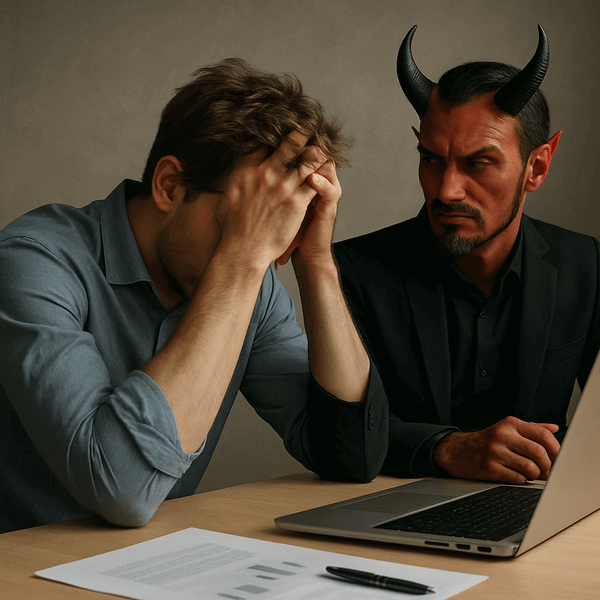
When your position hits -50%, you start praying. At -90%, you lose hope. This emotional rollercoaster — from euphoria to despair — was my everyday reality. Every candle on the chart shocked my nervous system like an electric jolt. I woke up at night to check my positions. I stopped eating and couldn’t focus at work. My world became a screen with numbers.
One evening, after losing over €10,000 in a few days due to a sudden Solana crash, I just sat in the dark. I realized this was not just about money — it was about my inability to control my emotions. I was addicted. Not to profit, but to the action.
Lessons From Specific Coins
Ethereum
The main lesson — stability doesn’t mean low risk with leverage. A 5% price move with 10x leverage means total liquidation. ETH positions seemed safe because “it’s bluechip.” But with leverage, any deviation is a threat.
WLD Coin
My biggest losses. WLD was a new coin rumored to be the Web3 revolution. I entered a long position too early, with no technical analysis. I believed the hype, not the data. This coin taught me: don’t follow the crowd.
Lido DAO (LDO)
This coin had solid fundamentals, but I overestimated its short-term potential. I entered at the wrong time. Even good projects can fall. Strategy and timing matter more than faith in a project.
Solana
Sol was my love and pain. Fast, beautiful, but volatile. A few profitable trades lulled me to sleep, and one big drop wiped out a week’s profits. A perfect reminder that discipline, not strategy alone, protects you.
The Importance of Risk Management
One simple rule: risk only what you can afford to lose. I ignored this. I invested my last money and even borrowed, hoping for a quick comeback. That’s why every crash felt like the end of the world.
If I had limited risk to 1–5% per position, I might still have capital today — not just lessons.
Psychological Recovery
Losing €30,000 is hard to recover from. Shame. Anger. Disappointment. But most of all — fear of trying again. For a while, I avoided any financial topics. But over time, I realized losing money is a tuition fee for knowledge. If I learn from it, it was an investment.
I read books like Trading in the Zone, The Psychology of Money, listened to podcasts with experienced traders. Gradually, I began building a strategy with less emotion and more logic.
Deeper into Psychology – Why Is It So Hard to Stop?
Crypto trading activates the same brain areas as gambling. The dopamine rush when your position is profitable is as strong as winning in a casino. Losses are emotionally heavier than equivalent gains. That’s why €1,000 profit doesn’t bring as much joy as €1,000 loss brings pain.
This asymmetrical feeling leads to dangerous behaviors: doubling down, risking last money, revenge trades. A true trader must be cold like a surgeon — but we’re human. And until you understand how your mind works, you can’t control it.
What Did Meditation Help Me Realize?
One turning point was starting to meditate. Ten minutes of silence a day helped me notice my thoughts and impulses. Before opening a trade, I began asking: is this a decision from fear or strategy? This small gap between impulse and action saved me from many mistakes.
Alternative Paths to Financial Freedom
After everything, I started seeking other ways to reach my dreams:
- Content creation: sharing my experience through this blog – hopefully, it will start generating passive income.
- Long-term investing: I got interested in index funds, DCA strategy, and passive ETFs.
- Entrepreneurship: working on small projects that can grow over time.
- Still trading crypto, but applying learned lessons.
- I realized financial freedom isn’t a sprint. It’s a marathon. Instead of betting on one card (crypto), it’s better to build a system that grows steadily.
What Would I Do Differently If I Could Go Back?
- Invest in knowledge first, not positions.
- Start with smaller amounts and follow the entire process.
- Set strict rules while still rational.
- Define profit targets and exit strategies.
- Separate accounts — one for investing, one for living expenses. Don’t mix.
Conclusion: Painful but Valuable
My crypto journey isn’t an investment story — it’s a transformation story. I lost a lot, but I learned even more. Today, I write not as an expert, but as someone who knows what it means to fall and get back up.
If you’re losing money now — you’re not alone. Stay strong. Learn. Turn your mistakes into capital, as I’m trying to do.
And if my story touched you — share it. Maybe it will save someone €30,000 or even more.